
Technical Diving Training in Playa del Carmen
Technical Diving Training in Playa del Carmen
“Good Instructors teach in steps using a clear and concise framework. Great Instructors teach the steps between the steps, the architecture behind the framework. Master Instructors teach the mind game in each step, illuminating the mind of the architect.” Steve Bogaerts
WHY TAKE A TECHNICAL DIVING TRAINING ?
Whether it is a need for a new challenge, for exploration or to master the fundamental diving skills in order to become a more accomplished diver, our technical diving trainings will allow you to go beyond the recreational limits in order to learn how to manage multiple cylinders with mixes up to 100% Oxygen for accelerated decompression diving, and will give you a better understanding of decompression physics and physiology in order to make you a more knowledgeable and confident diver. We also provide technical cave diving lessons in order to discover the cenotes around Playa del Carmen. A perfect environment to learn how to master new diving skills!
Technical Diving Training
INTRO TO TECH
- Limitation: No Overhead – 21m / 75ft
- Prerequisites: Open Water Diver
- Duration: 4 Days min.
ADVANCED NITROX
- Limitations: No Overhead – 30m / 130ft
- Prerequisites: Essentials or Intro To Tech
- Duration: 4 Days min.
ADVANCED REC TRIMIX
- Limitations: No Overhead- 45 m/130 feet
- Prerequisites: Essentials or Intro To Tech
- Duration: ART only 5 Days min. ART+ 6 Days min.
DPV TECH
- Limitations: No Overhead- 30 m/130 feet
- Prerequisites: Essentials or Intro To Tech
- Duration: 3 Days min.
Technical Diving Training
IANTD ESSENTIALS | TDI INTRO TO TECH
- Limitation: No overhead – 21m / 70ft
- Prerequisites: Open Water Diver
- Duration: 4 Days min.
ADVANCED NITROX
- Limitations: No Overhead – 30m / 130ft
- Prerequisites: Essentials or Intro To Tech – 30 Dives
- Duration: Adv Nitrox: 4 Days min.
ADVANCED REC TRIMIX DIVER
- Limitations: No Overhead- 45 m/150 feet
- Prerequisites: Essentials or Intro To Tech – 30 Dives
- Duration: ART only 5 Days min. ART+ 6 Days min.
DPV TECH
- Limitations: No Overhead- 30 m/130 feet
- Prerequisites: Essentials or Intro To Tech
- Duration: 3 days min.
– Weights
– All prices above are on a 2 divers / day base.
If booking alone, we will do our best to find you a teammate. Solo booking will require pricing adjustment (+50 USD/ Day).
– Technical Equipment Rental:
- Twinset Wing / Backplate or Complete Sidemount System (Additional day for SM rental set up required) + SM / BM Regulator Set + Primary Technical Light with Goodman Handle + Tech short for Wetsuit Diver – $50/Day Package
OR
$20 / Day for SM System
$25 / Day for SM/BM Regulators
$15 / Day for Primary Tec Light
$15 / Day for Technical Dive Computer
$5 / Day for other items - DPV – 80 US$/Day
– Helium & Decompression Gases Not Included (when applicable)
– Cenote Entrances
– Lunch
– Certification Fee: TDI US$ 35 IANTD US$ 40
– Manual and/or e-Learning: TDI US$70 (50% Student discount, RRP US$ 140)
Students are being provided with training videos and materials to practice and prepare for their class. It is expected from them to come ready for the class they have booked and demonstrate the prerequisite performance requirements communicated to them. Should a student be unable to do so on their first day, they will not be accepted to start the intended program. Their fees and days reserved will be credited towards an alternate training programs and/or guided dives.
Unreadiness to start the intended program is not ground for refund, partial or complete.
Students are paying for a course, but certifications must be earned. We will do our outmost to get your skills and knowledge up to scratch, and if this means extra dives or academic sessions, so be it (extra rate will apply if necessary). We recommend our students to plan at least 2 extra days for make ups / weather conditions / sickness / mid-course breaks or other unforeseen events.
Equipment rentals: Our equipment is well maintained and cared for our divers comfort. When renting our equipment, the diver is accepting responsibility for its care. If an equipment is damaged or lost due to negligence or misuse, the diver is accepting to bear the cost of repair, or replacement if necessary.
Thank you for your understanding and cooperation.
All the schedules below are our best recommendation for an optimal experience. They can be adapted and personalized to your convenience to fit best your itineraries and preferences.
Courses: 8am – 6pm
Essentials Diver
WHY TAKE AN ESSENTIALS / INTRO TO TECH COURSE?
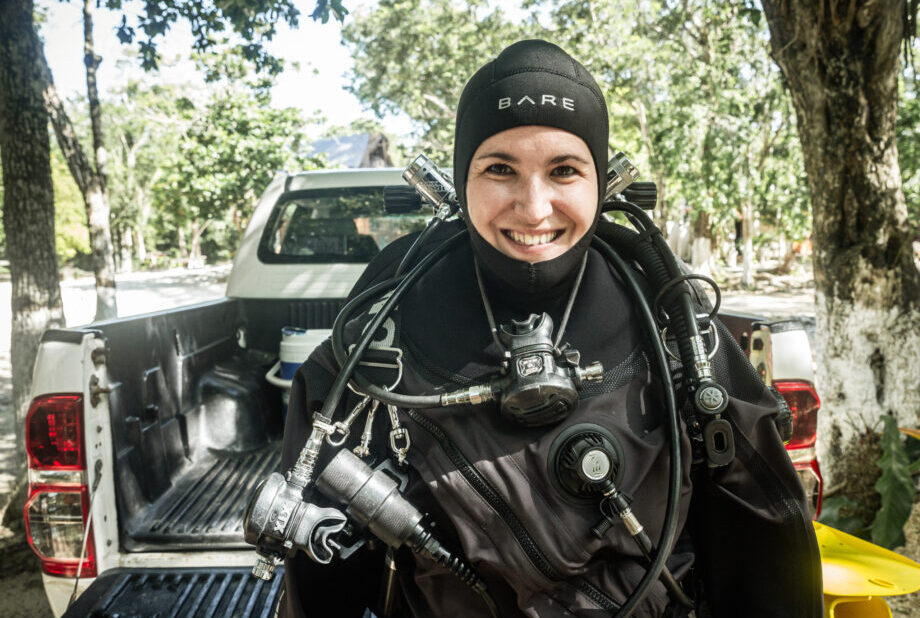
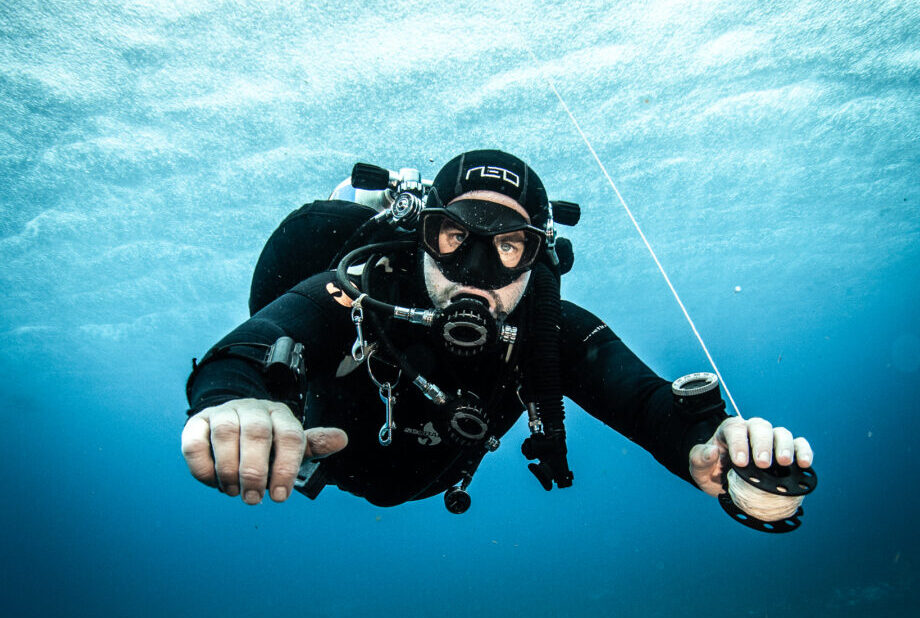
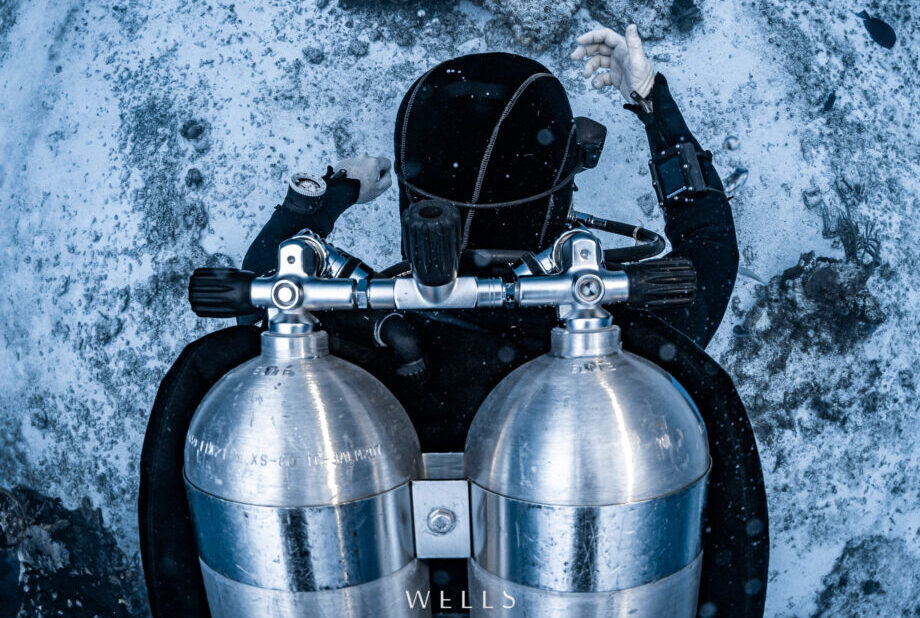
Our Intro To Tech course, like the Basic Sidemount Diver course, is an introductory class into the world of technical diving with the objectives to master your fundamentals, learning how to use a redundant system (Double cylinder back mount) with a DIR / Hogarthian configuration, new procedures for problem solving and emergencies and acquire the disciplined and knowledgeable mindset of a Tech Diver to feel more confident and in control. This course can also be conducted in a single back mount configuration for those wanting to decompose in more steps their progression. Tech divers should definitely consider this program as a transition from one redundant system to another, to refresh their skills or get an update on the latest procedures. Playa del Carmen is the perfect place to get this intro training: with its open water cenotes, sinkholes and reef wall diving, there are plenty of wonderful spots to practice your technical diving skills.
WHY TAKE AN ESSENTIALS / INTRO TO TECH COURSE?
Our Intro To Tech course, like the Basic Sidemount Diver course, is an introductory class into the world of technical diving with the objectives to master your fundamentals, learning how to use a redundant system (Double cylinder back mount) with a DIR / Hogarthian configuration, new procedures for problem solving and emergencies and acquire the disciplined and knowledgeable mindset of a Tech Diver to feel more confident and in control. This course can also be conducted in a single back mount configuration for those wanting to decompose in more steps their progression. Tech divers should definitely consider this program as a transition from one redundant system to another, to refresh their skills or get an update on the latest procedures. Playa del Carmen is the perfect place to get this intro training: with its open water cenotes, sinkholes and reef wall diving, there are plenty of wonderful spots to practice your technical diving skills.
WHAT WILL I LEARN
As an introductory course for technical diving, we will cover the following subjects and skills in a neutral stationary position:
- Equipment workshop & set up
- Fundamentals: Breathing, Buoyancy, Trim, Propulsion & Awareness
- Dive planning & gas management
- Donning & pre dive check
- Mask failure
- Basic light management
- Long hose out of air sharing
- Valve Shut Down Procedure
- Managing free flows & leakages
- Fixing hardware failures
- SMB Deployment
Advanced Nitrox Diver
WHAT CAN AN ADVANCED NITROX DIVER DO?
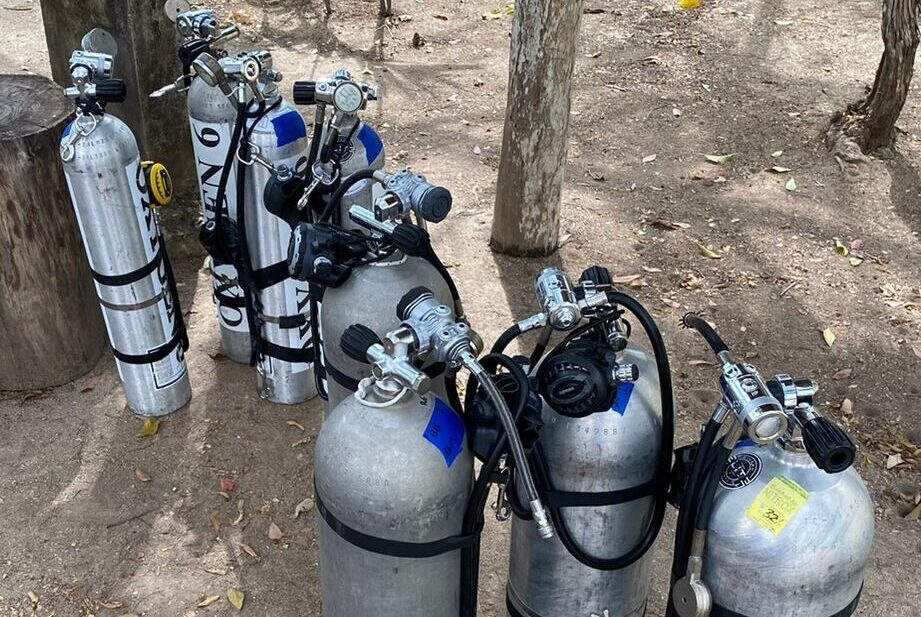
This technical diving course examines the use of EAN-32 through 100 percent oxygen for optimal mixes to a depth of 30 metres / 100 feet.
The objective of this course is to train divers in the benefits, hazards and proper procedures for utilizing EAN-32 through 100 percent oxygen for decompression dives.
WHAT CAN AN ADVANCED NITROX DIVER DO?
This technical diving course examines the use of EAN-32 through 100 percent oxygen for optimal mixes to a depth of 30 metres / 100 feet.
The objective of this course is to train divers in the benefits, hazards and proper procedures for utilizing EAN-32 through 100 percent oxygen for dives for decompression dives.
WHAT WILL I LEARN ?
Our Advanced Nitrox Diver Course will cover the following subjects:
Theory:
- Physics
- Physiology & Gas toxicity
- Formulas
- Equipment Considerations for EANx use
- Dive Tables, EAD & Decompression Softwares
- Dive Computers & Deco Planning
- Dive Planning
- Common Mixing Procedures
- Accelerated Decompression with different EANx
Land Drills:
- Oxygen content analysis
- Demonstrate adequate pre-dive planning
- Demonstrate understanding of gas labeling
- Demonstrate adherence to conventions regarding prep of equipment for oxygen service
- Program nitrox computer with appropriate oxygen percentage if used
- Staging decompression cylinder equipment workshop
- Gas switch NOTOX
Skills Development:
- Donning & gearing out of equipment
- Predive Checks
- Calculation of diver’s SAC/SCR
- Follow planned runtime without exceeding the set limits
- Gas switch NOTOX
- Problem Solving: Valve shutdown drill, gas sharing, leakages management, mask replacement and other configuration-related equipment failures
- Deployment of SMB & emergency signals
- Proper controlled ascent without missing simulated deco stops
- Demonstrate technical level Fundamental skills (Breathing, Buoyancy, Trim…)
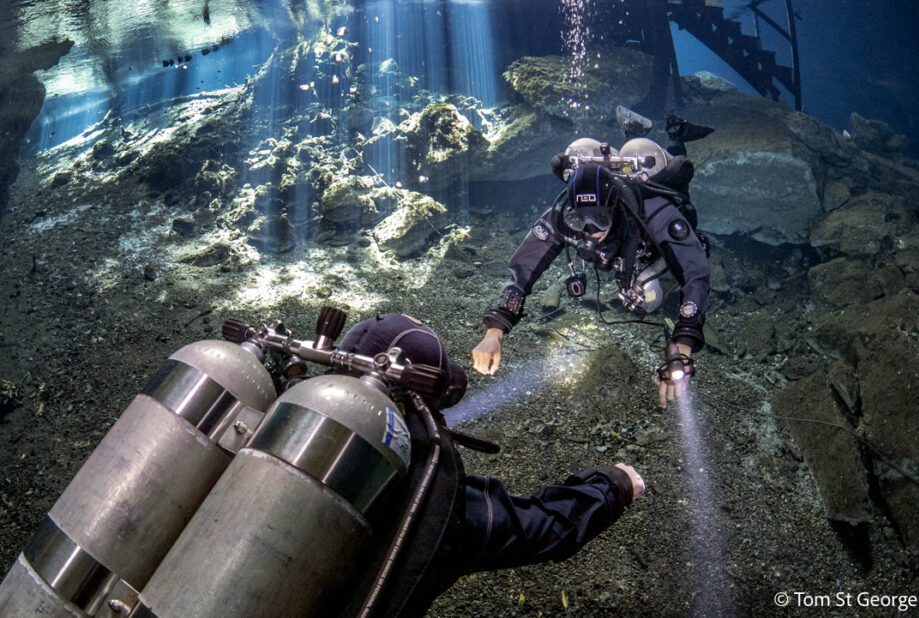
Land Drills:
- Oxygen content analysis
- Demonstrate adequate pre-dive planning
- Demonstrate understanding of gas labeling
- Demonstrate adherence to conventions regarding prep of equipment for oxygen service
- Program nitrox computer with appropriate oxygen percentage if used
- Staging decompression cylinder equipment workshop
- Gas switch NOTOX
Skills Development:
- Donning & gearing out of equipment
- Predive Checks
- Calculation of diver’s SAC/SCR
- Follow planned runtime without exceeding the set limits
- Gas switch NOTOX
- Problem Solving: Valve shutdown drill, gas sharing, leakages management, mask replacement and other configuration-related equipment failures
- Deployment of SMB & emergency signals
- Proper controlled ascent without missing simulated deco stops
- Demonstrate technical level Fundamental skills (Breathing, Buoyancy, Trim…)
Advanced Recreational Trimix Diver
WHAT CAN AN ADVANCED RECREATIONAL TRIMIX DIVER DO ?
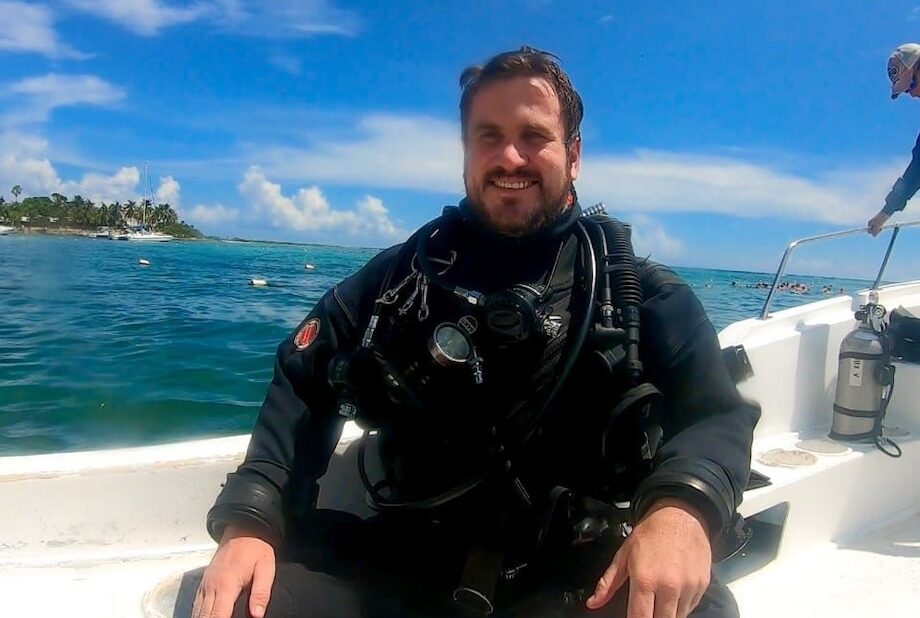
This technical diving course examines the theory, methods and procedures of Trimix decompression diving.
The objective of this course is to train divers how to plan and conduct a Trimix decompression dive not exceeding a maximum depth of 45 metres / 150 feet.
The most common equipment requirements, equipment set-up and decompression techniques are presented.
Students are permitted to utilize normoxic Trimix mixes (21% Oxygen or more) and enriched air nitrox (EAN) mixes or oxygen for decompression.
If you do well and want to add another day of Trimix diving, you might even be able to upgrade to ART Plus for a maximum depth of 51m.
WHAT CAN AN ADVANCED RECREATIONAL TRIMIX DIVER DO ?
This technical diving course examines the theory, methods and procedures of Trimix decompression diving.
The objective of this course is to train divers how to plan and conduct a Trimix decompression dive not exceeding a maximum depth of 45 metres / 150 feet.
The most common equipment requirements, equipment set-up and decompression techniques are presented.
Students are permitted to utilize normoxic Trimix mixes (21% Oxygen or more) and enriched air nitrox (EAN) mixes or oxygen for decompression.
If you do well and want to add another day of Trimix diving, you might even be able to upgrade to ART Plus for a maximum depth of 51m.
WHAT WILL I LEARN ?
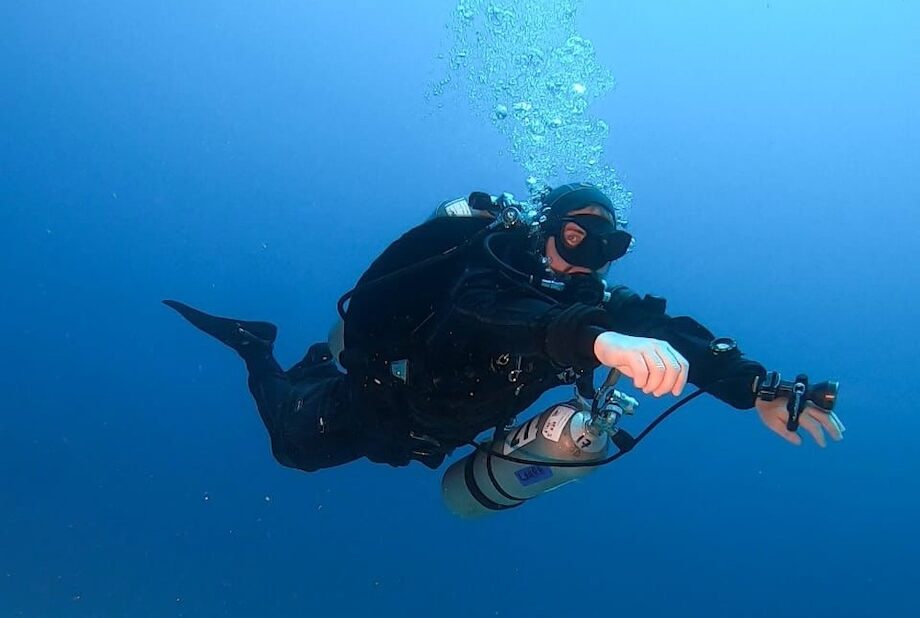
Our Advanced Recreational Trimix Training will cover the following subjects:
Theory:
- Physics
- Physiological / Psychological considerations & Gas toxicity
- Decompression on Nitrox and Oxygen.
- Equipment Considerations
- Dive Tables, EAD & Decompression Software
- Dive Computers & Deco Planning
- Dive Planning & contingencies
- Descent & ascent
Land Drills:
- Oxygen content analysis
- Demonstrate adequate pre-dive planning
- Gas labeling review
- Staging decompression cylinder equipment workshop
- Review SMB / Lift bag deployment procedures
- Gas switching procedure
Skills Development:
- Donning & gearing out of equipment
- Predive Checks
- Follow planned runtime without exceeding the set limits
- Gas switches
- Drop and retrieve deco cylinders
- Prepare and activate a decompression contingency plan
- Problem Solving: Valve shutdown drill, gas sharing, leakages management, mask replacement and other configuration-related equipment failures
- Deployment of SMB & emergency signals
- Proper controlled ascent without missing required deco stops
- Demonstrate technical level Fundamental skills (Breathing, Buoyancy, Trim, Propulsion & Awareness)
Land Drills:
- Oxygen content analysis
- Demonstrate adequate pre-dive planning
- Gas labeling review
- Staging decompression cylinder equipment workshop
- Review SMB / Lift bag deployment procedures
- Gas switching procedure
Skills Development:
- Donning & gearing out of equipment
- Predive Checks
- Follow planned runtime without exceeding the set limits
- Gas switches
- Drop and retrieve deco cylinders
- Prepare and activate a decompression contingency plan
- Problem Solving: Valve shutdown drill, gas sharing, leakages management, mask replacement and other configuration-related equipment failures
- Deployment of SMB & emergency signals
- Proper controlled ascent without missing required deco stops
- Demonstrate technical level Fundamental skills (Breathing, Buoyancy, Trim, Propulsion & Awareness)
Diver Propulsion Vehicle Training (DPV)
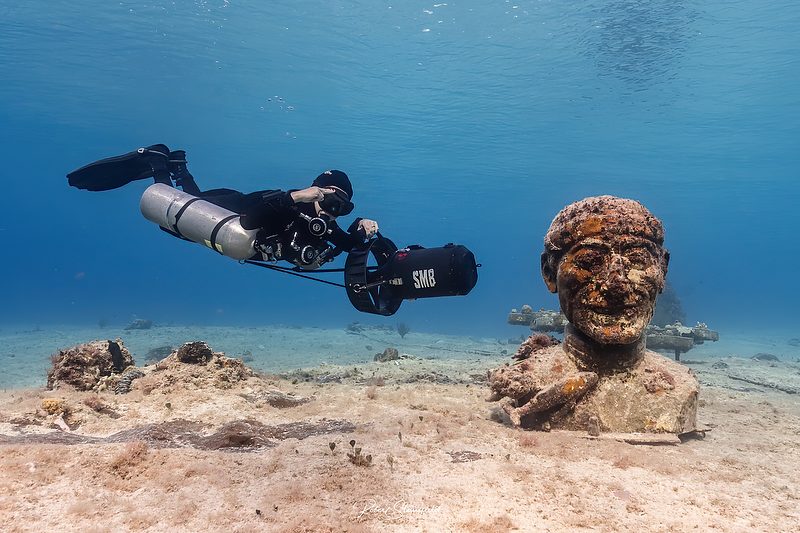
WHY TAKE A DIVER PROPULSION VEHICLE (DPV) COURSE?
If you’ve been diving a while like us, there is always a new piece of gear you’re dreaming about, and a DPV is probably in the Top 3 of the most exciting diving equipment we’ve had to play with. Cruising around the underwater world on the trigger will bring your diving cravings to a whole new level.
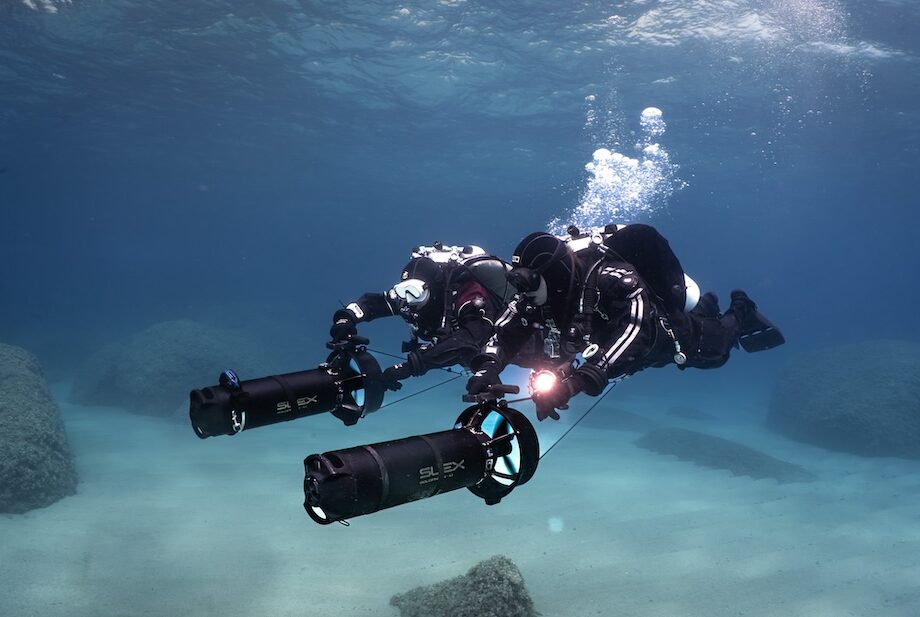
This technical diving course is essential for anyone interested in utilizing one of the most fun and efficient tools available to divers to cover bigger distances or carry more equipment with reduced effort. But beware, once you touch one, you’ll want one!
WHAT WILL I LEARN ?
Our DPV Training will cover the following subjects:
- Advantages & motivation for DPV diving
- DPV general presentation & instructions for use
- DDPV maintenance and troubleshooting
- Maneuvering techniques & safety concerns
- Piloting exercises
- Teamwork while using a DPV
- Ascent with a disabled DPV
- Tow a team member and his disabled DPV
- Dive Planning and Gas Management
WHAT WILL I LEARN ?
Our DPV Training will cover the following subjects:
- Advantages & motivation for DPV diving
- DPV general presentation & instructions for use
- DDPV maintenance and troubleshooting
- Maneuvering techniques & safety concerns
- Piloting exercises
- Teamwork while using a DPV
- Ascent with a disabled DPV
- Tow a team member and his disabled DPV
- Dive Planning and Gas Management