

CCR Training in Playa del Carmen
Why did we choose the Fathom Gemini for Sidemount CCR:
- Needle valve O₂ control – precise, debris-tolerant, adjustable at depth and surface.
- Safety benefits – reduced clogging risk, lower task loading, surface flow adjustability, greater depth margin.
- Scrubber system – dual axial, removable/swappable canisters with Black Amalgon insulation (400× better thermal performance).
- Electronics & head design – potted head (waterproof), rugged connectors, hardwired leads, dual-monitor splitter board, integrated HUD + Shearwater Petrel 3.
- Flood management – OPV on counterlung acts as water dump; simplified, robust design (no ADV needed).
- Depth capability – rated to 400–600 fsw (122–183 msw).
- Work of breathing & ergonomics – back-mounted counterlungs provide excellent WOB in all positions, clear chest/front profile for bottles and task loading.
- Modularity & maintenance – removable scrubbers, needle valve, Shrimp DSV/BOV options, modular HUD.
- Community feedback – widely regarded as a modern, safer evolution of the Sidewinder; “a significant improvement.”
CCR Training in Playa del Carmen
Why did we choose the Fathom Gemini for Sidemount CCR:
- Needle valve O₂ control – precise, debris-tolerant, adjustable at depth and surface.
- Safety benefits – reduced clogging risk, lower task loading, surface flow adjustability, greater depth margin.
- Scrubber system – dual axial, removable/swappable canisters with Black Amalgon insulation (400× better thermal performance).
- Electronics & head design – potted head (waterproof), rugged connectors, hardwired leads, dual-monitor splitter board, integrated HUD + Shearwater Petrel 3.
- Flood management – OPV on counterlung acts as water dump; simplified, robust design (no ADV needed).
- Depth capability – rated to 400–600 fsw (122–183 msw).
- Work of breathing & ergonomics – back-mounted counterlungs provide excellent WOB in all positions, clear chest/front profile for bottles and task loading.
- Modularity & maintenance – removable scrubbers, needle valve, Shrimp DSV/BOV options, modular HUD.
- Community feedback – widely regarded as a modern, safer evolution of the Sidewinder; “a significant improvement.”
Pricing Table
FATHOM GEMINI ADV NITROX
- Duration: 5 Days Min.
FATHOM GEMINI TRIMIX
- Duration: 6 Days Min.
FATHOM GEMINI CROSS OVER
- Duration: 3 Days Min.
FATHOM GEMINI TRIAL
- Duration: 1 Day
- 50% Creditable Towards A Gemini Purchase
Pricing Table
FATHOM GEMINI ADV NITROX
- Duration: 5 Days Min.
FATHOM GEMINI TRIMIX
- Duration: 6 Days Min.
FATHOM GEMINI CROSS OVER
- Duration: 3 Days Min.
FATHOM GEMINI TRIAL
- Duration: 1 Day
- 50% Creditable Towards A Gemini Purchase
– CCR Rental For Trial Day Only
– All prices above are on a 2 divers / day base.
If booking alone, we will do our best to find you a teammate. Solo booking will require pricing adjustment (+75 USD/ Day).
– CCR Rental For Courses: 80 USD/ Day
– Cenote Entrances
– Lunch
– IANTD Certification fees (if earned): 50 USD
Students are being provided with training videos and materials to practice and prepare for their class. It is expected from them to come ready for the class they have booked and demonstrate the prerequisite performance requirements communicated to them. Should a student be unable to do so on their first day, they will not be accepted to start the intended program. Their fees and days reserved will be credited towards an alternate training programs and/or guided dives.
Unreadiness to start the intended program is not ground for refund, partial or complete.
Students are paying for a course, but certifications must be earned. We will do our outmost to get your skills and knowledge up to scratch, and if this means extra dives or academic sessions, so be it (extra rate will apply if necessary). We recommend our students to plan at least 2 extra days for make ups / weather conditions / sickness / mid-course breaks or other unforeseen events.
Equipment rentals: Our equipment is well maintained and cared for our divers comfort. When renting our equipment, the diver is accepting responsibility for its care. If an equipment is damaged or lost due to negligence or misuse, the diver is accepting to bear the cost of repair, or replacement if necessary.
Thank you for your understanding and cooperation.
All the schedules below are our best recommendation for an optimal experience. They can be adapted and personalized to your convenience to fit best your itineraries and preferences.
Courses: 8am – 6pm
FATHOM Dive Systems GEMINI (Adv. EANx / Trimix) COURSE
WHAT IS A FATHOM GEMINI COURSE?
Taking a closed circuit rebreather (CCR) course, such as MOD 1, is essential for divers who want to explore the underwater world safely and efficiently using rebreather technology. Here are some reasons why:
- Improved safety: CCRs recycle the breathing gas, reducing the risk of running out of air and allowing for longer dive times.
- Increased efficiency: By reusing the breathing gas, CCRs reduce the amount of gas consumed, making them ideal for longer dives or dives in remote locations.
- Enhanced experience: CCRs provide a more comfortable diving experience, as the breathing gas is warmer and more humid than traditional scuba gear.
- Deeper dives: CCRs are particularly useful for deeper dives, as they allow divers to conserve gas and avoid the risks associated with excessive gas consumption.
Specialized skills: A CCR course teaches divers the specialized skills and knowledge needed to safely operate a rebreather, including how to manage the system, monitor gas levels, and respond to emergencies.
The MOD 1 course is likely a specific training program that covers the fundamentals of closed circuit rebreather diving, including safety procedures, equipment operation, and dive planning. By taking this course, divers can gain the knowledge and skills needed to safely and effectively use a CCR.
A Gemini CCR MOD1 diver will be able to plan and execute dives within the following limitations:
- Max Depth 30m/ 100ft to 51m / 170ft
- Use of Air or Nitrox 32% as Diluent
- All dives must be within minimum decompression limits (MDLs), i.e., no required stops.
- No Overhead
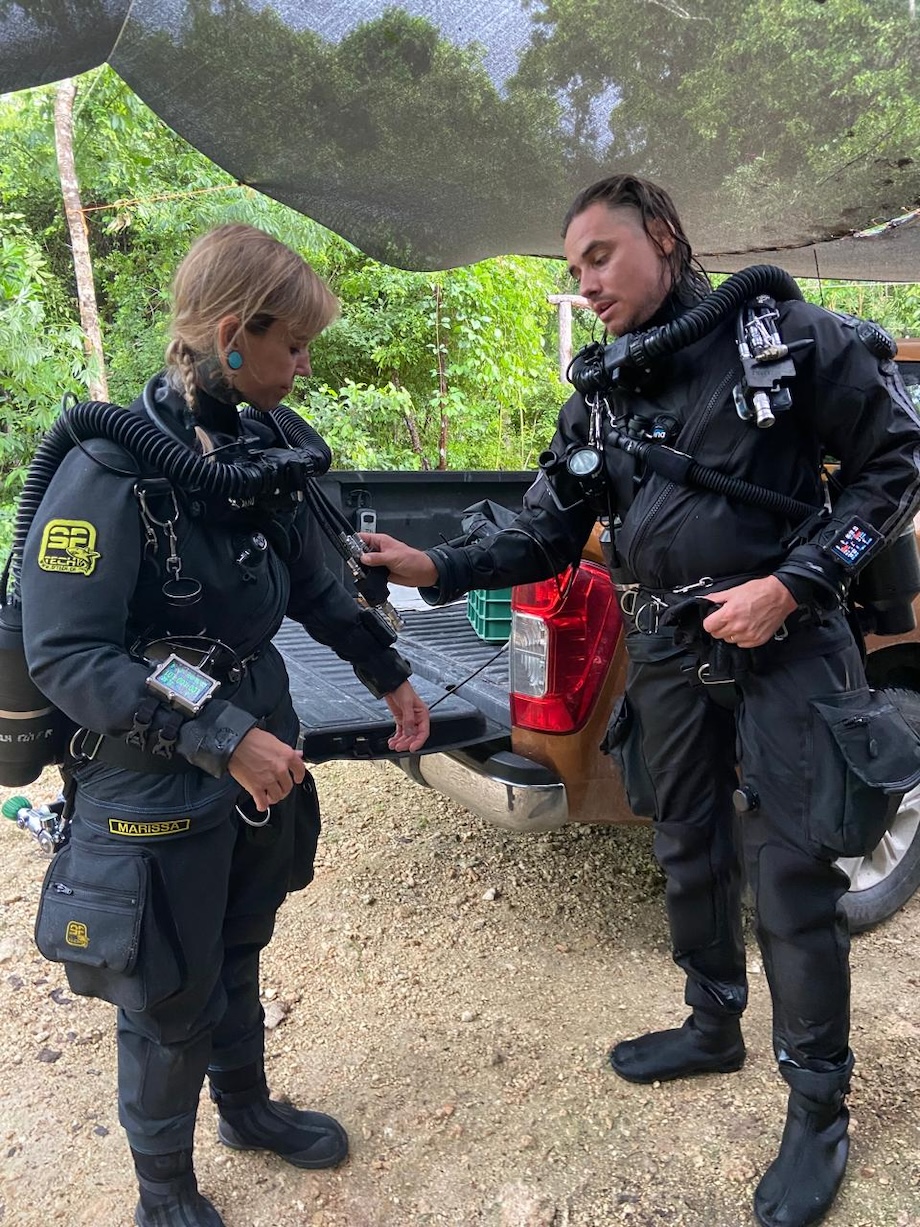
WHAT IS A FATHOM GEMINI COURSE?
Taking a closed circuit rebreather (CCR) course, such as MOD 1, is essential for divers who want to explore the underwater world safely and efficiently using rebreather technology. Here are some reasons why:
- Improved safety: CCRs recycle the breathing gas, reducing the risk of running out of air and allowing for longer dive times.
- Increased efficiency: By reusing the breathing gas, CCRs reduce the amount of gas consumed, making them ideal for longer dives or dives in remote locations.
- Enhanced experience: CCRs provide a more comfortable diving experience, as the breathing gas is warmer and more humid than traditional scuba gear.
- Deeper dives: CCRs are particularly useful for deeper dives, as they allow divers to conserve gas and avoid the risks associated with excessive gas consumption.
Specialized skills: A CCR course teaches divers the specialized skills and knowledge needed to safely operate a rebreather, including how to manage the system, monitor gas levels, and respond to emergencies.
The MOD 1 course is likely a specific training program that covers the fundamentals of closed circuit rebreather diving, including safety procedures, equipment operation, and dive planning. By taking this course, divers can gain the knowledge and skills needed to safely and effectively use a CCR.
A Gemini CCR MOD1 diver will be able to plan and execute dives within the following limitations:
- Max Depth 30m/ 100ft to 51m / 170ft
- Use of Air or Nitrox 32% as Diluent
- All dives must be within minimum decompression limits (MDLs), i.e., no required stops.
- No Overhead
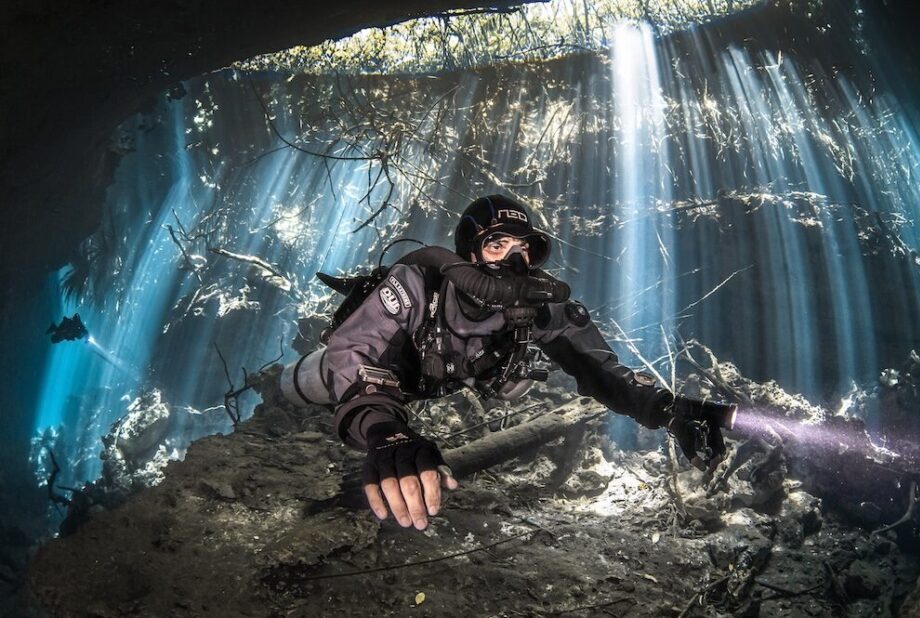
WHAT WILL I LEARN?
Our Fathom Gemini CCR program will cover the following subjects:
Theory:
- Rebreather basics
- Anatomy of rebreathers, common components and how they function
- Benefits and disadvantages of using closed-circuit rebreathers
- Inherent risks of using closed-circuit rebreathers
- Closed-circuit rebreather operation, alarms, and warnings
- Breathing gas dynamics, hyperoxia, hypoxia, hypercapnia, and gas density
- Absorbent material: properties and canister endurance
- Gas management: consumption, use, requirements, and reserves
- Decompression considerations while using closed-circuit rebreathers
- Diver safety and responsibilities
- Rebreather pre-water entry checks.
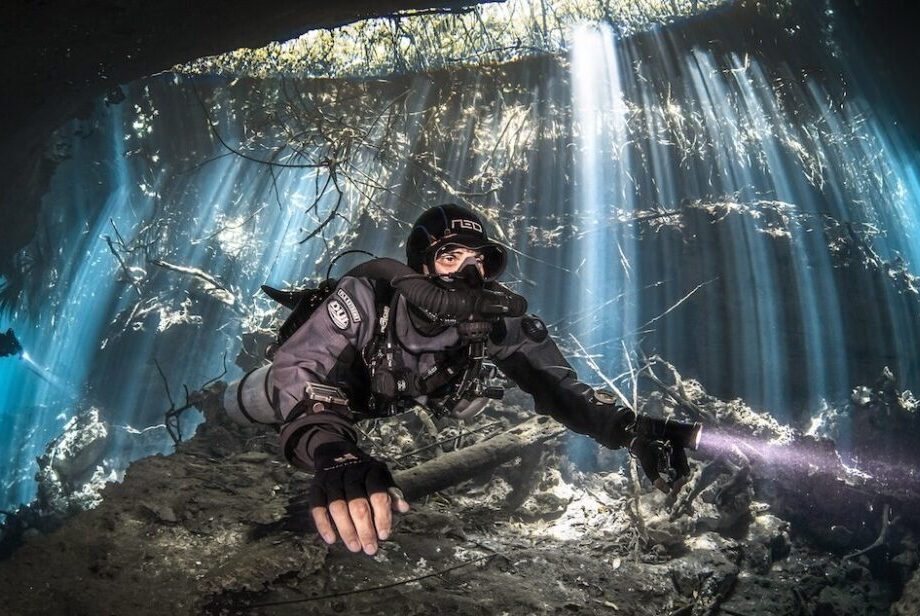
WHAT WILL I LEARN?
Our Fathom Gemini CCR program will cover the following subjects:
Theory:
- Rebreather basics
- Anatomy of rebreathers, common components and how they function
- Benefits and disadvantages of using closed-circuit rebreathers
- Inherent risks of using closed-circuit rebreathers
- Closed-circuit rebreather operation, alarms, and warnings
- Breathing gas dynamics, hyperoxia, hypoxia, hypercapnia, and gas density
- Absorbent material: properties and canister endurance
- Gas management: consumption, use, requirements, and reserves
- Decompression considerations while using closed-circuit rebreathers
- Diver safety and responsibilities
- Rebreather pre-water entry checks.
Land Drills:
- Rebreather assembly and setup
- Rebreather pre-dive checklist
- Rebreather on-site checklist
- CHAOS critical control checks and 5-minute pre-breathe
- Basic Operations: switching to and off the loop (DSV/BOV open/close); achieving a proper seal around the mouthpiece; preventing nose exhalation; testing for, achieving, and maintaining optimal loop volume; pO2 awareness using HUD and controller;
- Rebreather communication signals
- Manually controlled setpoint and switches
- Diluent flush techniques
- Basic failure management
- Bailout and out-of-gas procedures
- Maintenance and repair of closed-circuit rebreather
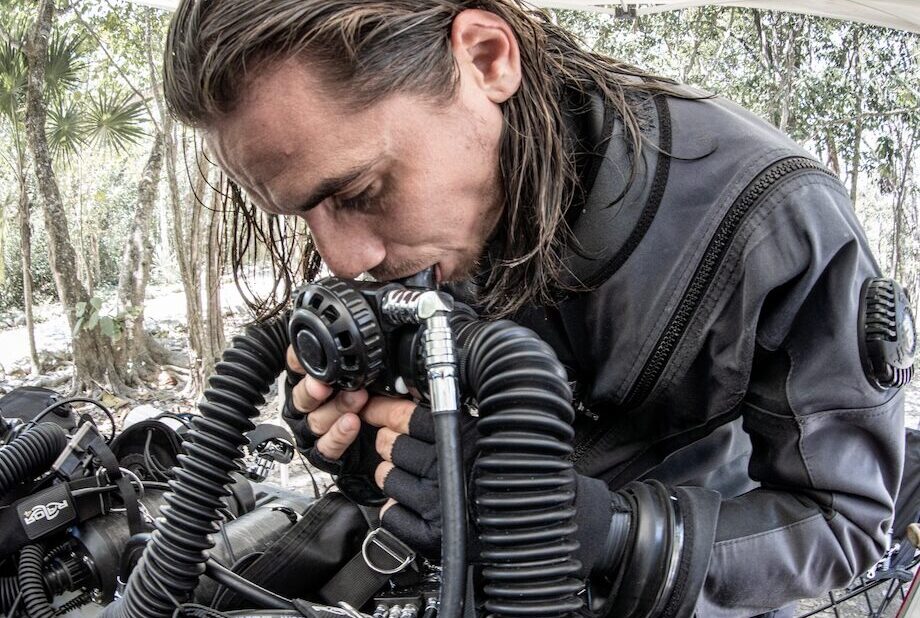
Land Drills:
- Rebreather assembly and setup
- Rebreather pre-dive checklist
- Rebreather on-site checklist
- CHAOS critical control checks and 5-minute pre-breathe
- Basic Operations: switching to and off the loop (DSV/BOV open/close); achieving a proper seal around the mouthpiece; preventing nose exhalation; testing for, achieving, and maintaining optimal loop volume; pO2 awareness using HUD and controller;
- Rebreather communication signals
- Manually controlled setpoint and switches
- Diluent flush techniques
- Basic failure management
- Bailout and out-of-gas procedures
- Maintenance and repair of closed-circuit rebreather
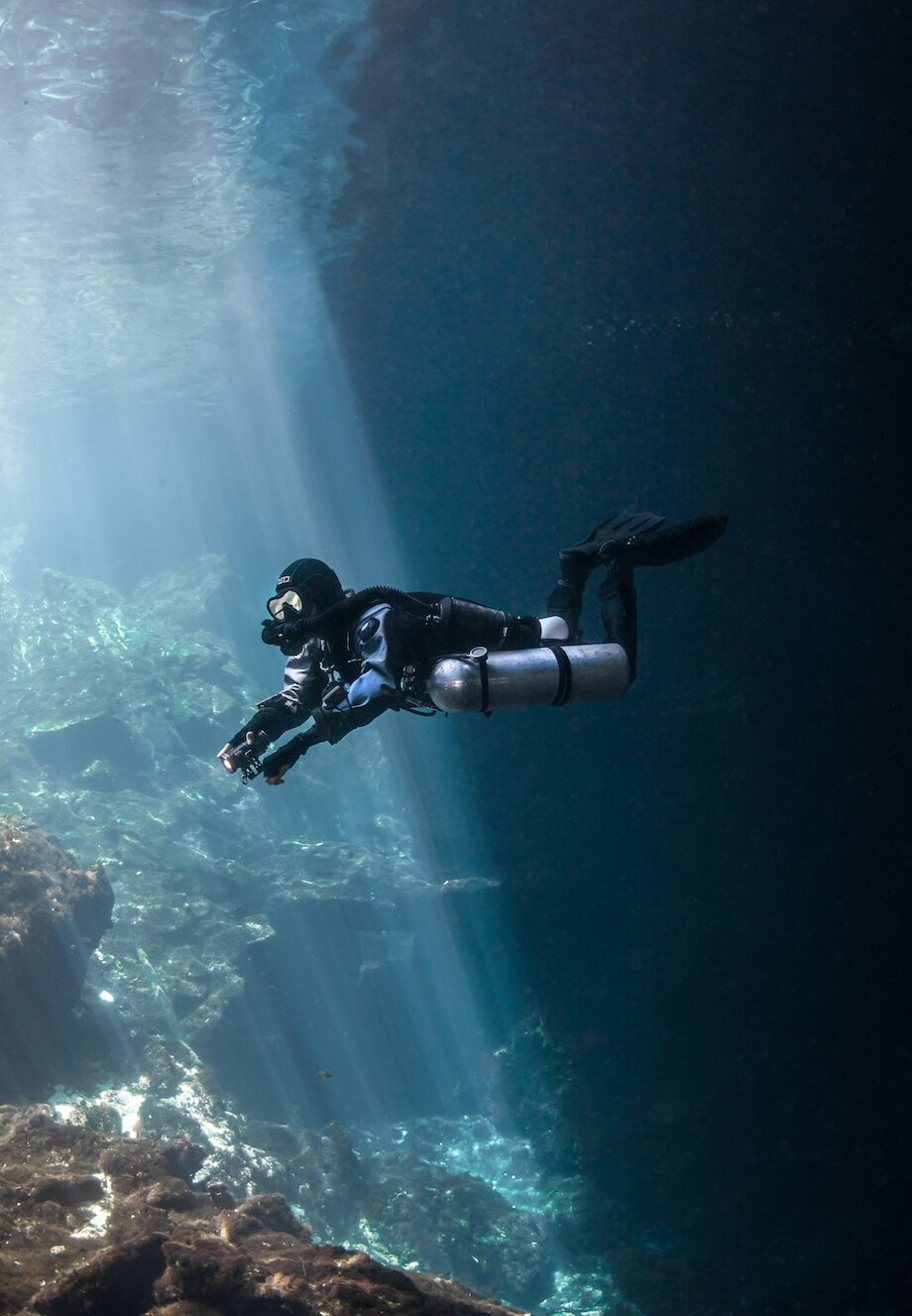
Skills Development:
- Controlled descent, ascent and deco stops.
- Trim 20 degrees & buoyancy within 1m of target depth.
- Flood recovery
- Basic failure trouble shooting (HUD, Controller, Leakages)
- Maintain desired pO2 manually
- Valve Drill
- No mask swim 23m & switch to back up mask
- Demonstrate proficiency in safe diving procedures, including assembly and setup; rebreather pre-dive checklist; rebreather on-site checklist; CHAOS critical control checks and 5-minute pre-breathe; flow check; in-water activity; and post- dive assessment, breakdown, and maintenance.
- Gas sharing while using the closed-circuit rebreather.
- Demonstrate use, manipulation, and failure management of the gas addition systems supplying the rebreather.
- Demonstrate awareness of a team member’s closed-circuit rebreather function and an overall concern for safety, responding quickly to visual or audible indications and dive partner needs during diving and failures.
- SCR mode
- SMB Deployment
- Bail out procedures & bail out ascent
- Practice removing and replacing a stage cylinder, both at rest and while swimming.
- Surface an unconscious diver
Skills Development:
- Controlled descent, ascent and deco stops.
- Trim 20 degrees & buoyancy within 1m of target depth.
- Flood recovery
- Basic failure trouble shooting (HUD, Controller, Leakages)
- Maintain desired pO2 manually
- Valve Drill
- No mask swim 23m & switch to back up mask
- Demonstrate proficiency in safe diving procedures, including assembly and setup; rebreather pre-dive checklist; rebreather on-site checklist; CHAOS critical control checks and 5-minute pre-breathe; flow check; in-water activity; and post- dive assessment, breakdown, and maintenance.
- Gas sharing while using the closed-circuit rebreather.
- Demonstrate use, manipulation, and failure management of the gas addition systems supplying the rebreather.
- Demonstrate awareness of a team member’s closed-circuit rebreather function and an overall concern for safety, responding quickly to visual or audible indications and dive partner needs during diving and failures.
- SCR mode
- SMB Deployment
- Bail out procedures & bail out ascent
- Practice removing and replacing a stage cylinder, both at rest and while swimming.
- Surface an unconscious diver
PREREQUISITES
Applicants for a Fathom Gemini CCR course must:
- Technical Sidemount rating certified
- Option 1 – Certifications requirements:
- Must be qualified in IANTD Recreational CCR Diver or equivalent or higher. 2. Dive experience:
- Have logged 20 open water dives with at least 20 hours underwater using a rebreather.
- Option 2 – Open Circuit Certifications requirements:
- Must be qualified in IANTD Deep Diver or equivalent or higher.
- Must be qualified in IANTD EANx Diver or equivalent.
- Dive experience:
- 100 Dives
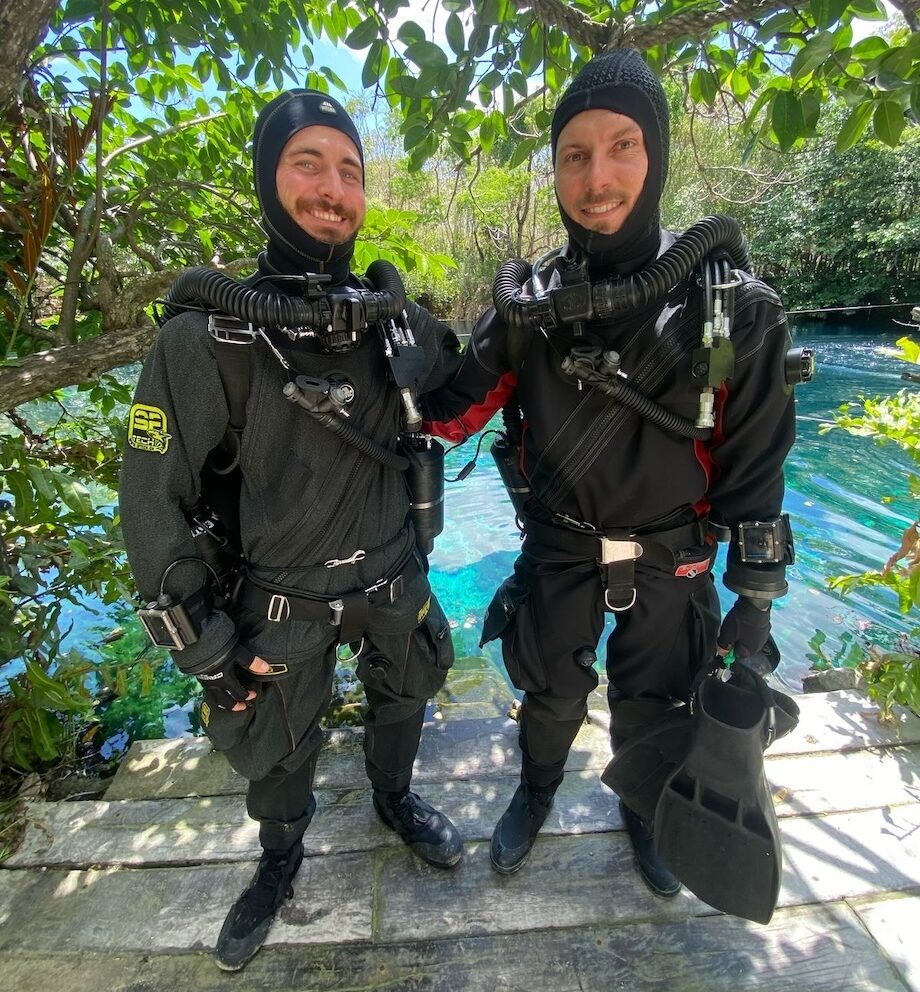
PREREQUISITES
Applicants for a Fathom Gemini CCR course must:
- Technical Sidemount rating certified
- Option 1 – Certifications requirements:
- Must be qualified in IANTD Recreational CCR Diver or equivalent or higher. 2. Dive experience:
- Have logged 20 open water dives with at least 20 hours underwater using a rebreather.
- Option 2 – Open Circuit Certifications requirements:
- Must be qualified in IANTD Deep Diver or equivalent or higher.
- Must be qualified in IANTD EANx Diver or equivalent.
- Dive experience:
- 100 Dives
FATHOM Dive Systems GEMINI CROSS-OVER
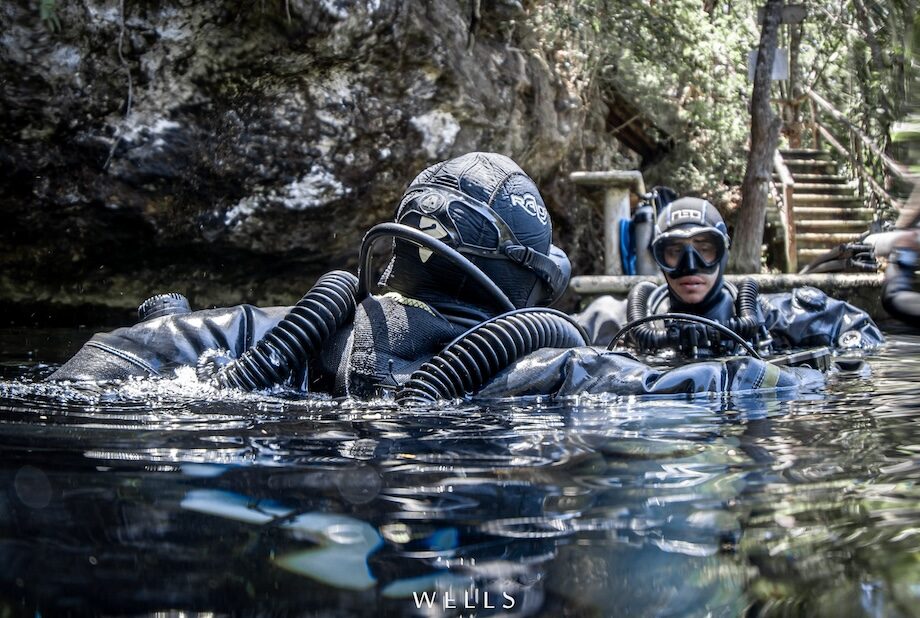
WHAT IS A GEMINI CROSSOVER COURSE?
The primary purpose of a CCR crossover course is to teach divers the specific skills and knowledge needed to safely operate a new CCR system.
This includes:
- Understanding the unique features and functionality of the new CCR model
- Learning how to properly assemble, maintain, and troubleshoot the system
- Developing the skills needed to safely dive with the new CCR system
Our Gemini Crossover will be conducted within the following limitations:
- Max Depth according to current CCR certification
- Use of Air/Nitrox 32%/Trimix as Diluent
- All dives must be within minimum decompression limits (MDLs), i.e., no required stops.
- No Overhead
WHAT IS A GEMINI CROSSOVER COURSE?
The primary purpose of a CCR crossover course is to teach divers the specific skills and knowledge needed to safely operate a new CCR system.
This includes:
- Understanding the unique features and functionality of the new CCR model
- Learning how to properly assemble, maintain, and troubleshoot the system
- Developing the skills needed to safely dive with the new CCR system
Our Gemini Crossover will be conducted within the following limitations:
- Max Depth according to current CCR certification
- Use of Air/Nitrox 32%/Trimix as Diluent
- All dives must be within minimum decompression limits (MDLs), i.e., no required stops.
- No Overhead
WHAT WILL I LEARN?
Our Gemini CCR Crossover program will cover the following subjects:
Theory:
- Rebreather basics
- Anatomy of rebreathers, common components and how they function
- Benefits and disadvantages of using closed-circuit rebreathers
- Inherent risks of using closed-circuit rebreathers
- Closed-circuit rebreather operation, alarms, and warnings
- Breathing gas dynamics, hyperoxia, hypoxia, hypercapnia, and gas density
- Absorbent material: properties and canister endurance
- Gas management: consumption, use, requirements, and reserves
- Decompression considerations while using closed-circuit rebreathers
- Diver safety and responsibilities
- Rebreather pre-water entry checks
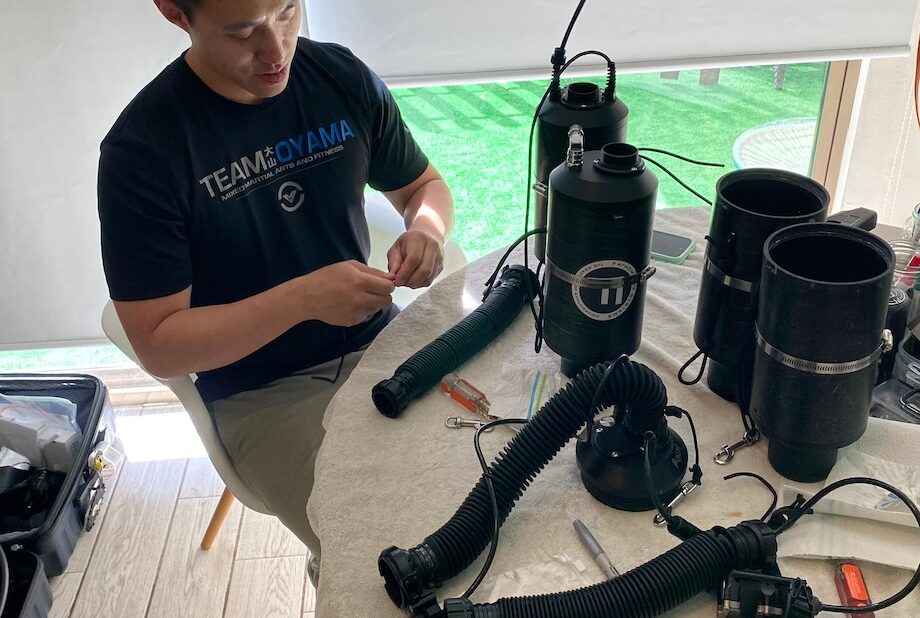
WHAT WILL I LEARN ?
Our Gemini CCR Crossover program will cover the following subjects:
Theory:
- Rebreather basics
- Anatomy of rebreathers, common components and how they function
- Benefits and disadvantages of using closed-circuit rebreathers
- Inherent risks of using closed-circuit rebreathers
- Closed-circuit rebreather operation, alarms, and warnings
- Breathing gas dynamics, hyperoxia, hypoxia, hypercapnia, and gas density
- Absorbent material: properties and canister endurance
- Gas management: consumption, use, requirements, and reserves
- Decompression considerations while using closed-circuit rebreathers
- Diver safety and responsibilities
- Rebreather pre-water entry checks
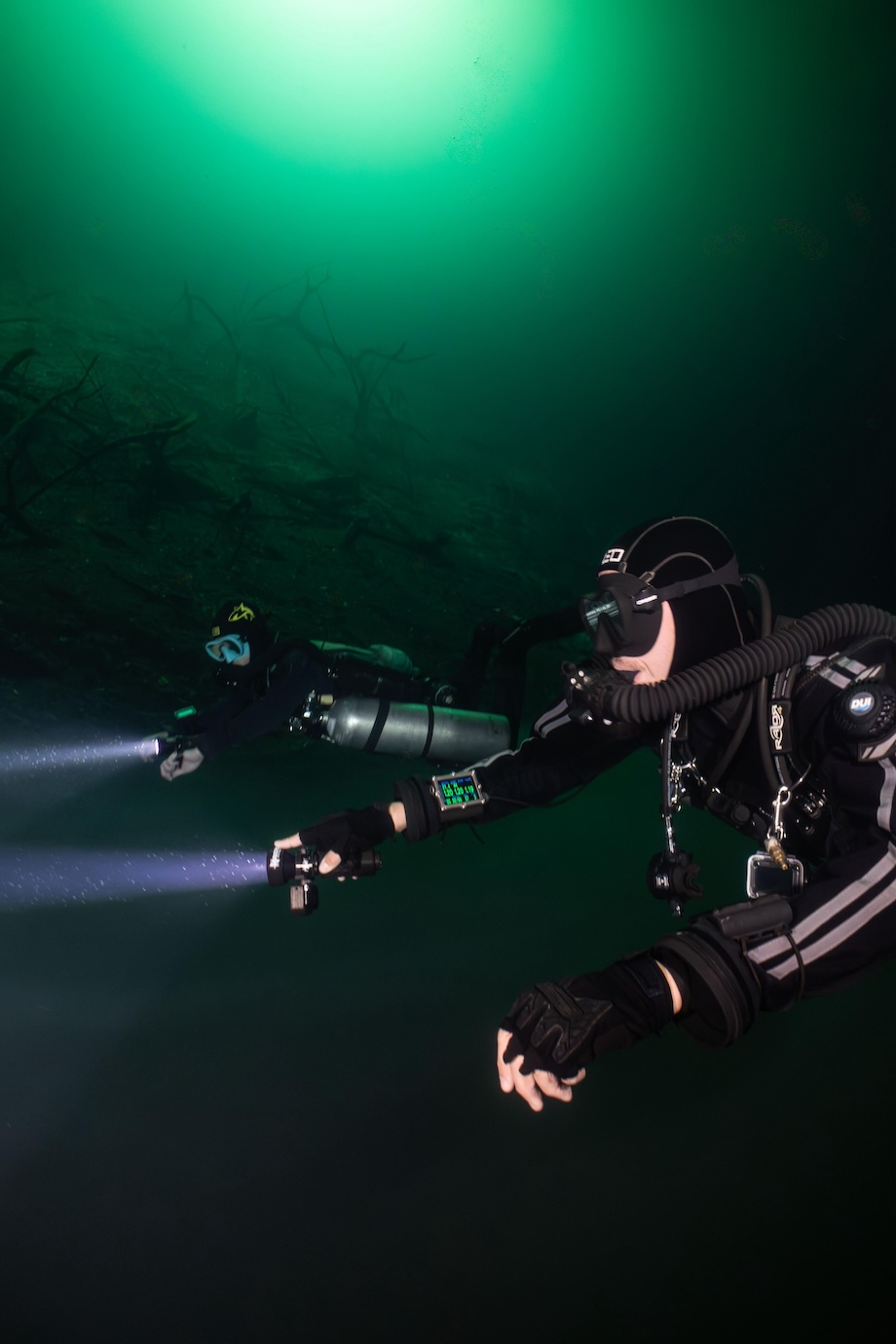
Land Drills:
- Rebreather assembly and setup
- Rebreather pre-dive checklist
- Rebreather on-site checklist
- CHAOS critical control checks and 5-minute pre-breathe
- Basic Operations: switching to and off the loop (DSV/BOV open/close); achieving a proper seal around the mouthpiece; preventing nose exhalation; testing for, achieving, and maintaining optimal loop volume; pO2 awareness using HUD and controller;
- Rebreather communication signals
- Manually controlled setpoint and switches
- Diluent flush techniques
- Basic failure management
- Bailout and out-of-gas procedures
- Maintenance and repair of closed-circuit rebreather
Skills Development:
- Controlled descent, ascent and deco stops.
- Trim 20 degrees & buoyancy within 1m of target depth.
- Flood recovery
- Basic failure trouble shooting (HUD, Controller, Leakages)
- Maintain desired pO2 manually
- Valve Drill
- No mask swim 23m & switch to back up mask
- Demonstrate proficiency in safe diving procedures, including assembly and setup; rebreather pre-dive checklist; rebreather on-site checklist; CHAOS critical control checks and 5-minute pre-breathe; flow check; in-water activity; and post- dive assessment, breakdown, and maintenance.
- Gas sharing while using the closed-circuit rebreather.
- Demonstrate use, manipulation, and failure management of the gas addition systems supplying the rebreather.
- Demonstrate awareness of a team member’s closed-circuit rebreather function and an overall concern for safety, responding quickly to visual or audible indications and dive partner needs during diving and failures.
- SCR mode
- SMB Deployment
- Bail out procedures & bail out ascent
- Practice removing and replacing a stage cylinder, both at rest and while swimming
• Surface an unconscious diver
Land Drills:
- Rebreather assembly and setup
- Rebreather pre-dive checklist
- Rebreather on-site checklist
- CHAOS critical control checks and 5-minute pre-breathe
- Basic Operations: switching to and off the loop (DSV/BOV open/close); achieving a proper seal around the mouthpiece; preventing nose exhalation; testing for, achieving, and maintaining optimal loop volume; pO2 awareness using HUD and controller;
- Rebreather communication signals
- Manually controlled setpoint and switches
- Diluent flush techniques
- Basic failure management
- Bailout and out-of-gas procedures
- Maintenance and repair of closed-circuit rebreather
Skills Development:
- Controlled descent, ascent and deco stops.
- Trim 20 degrees & buoyancy within 1m of target depth.
- Flood recovery
- Basic failure trouble shooting (HUD, Controller, Leakages)
- Maintain desired pO2 manually
- Valve Drill
- No mask swim 23m & switch to back up mask
- Demonstrate proficiency in safe diving procedures, including assembly and setup; rebreather pre-dive checklist; rebreather on-site checklist; CHAOS critical control checks and 5-minute pre-breathe; flow check; in-water activity; and post- dive assessment, breakdown, and maintenance.
- Gas sharing while using the closed-circuit rebreather.
- Demonstrate use, manipulation, and failure management of the gas addition systems supplying the rebreather.
- Demonstrate awareness of a team member’s closed-circuit rebreather function and an overall concern for safety, responding quickly to visual or audible indications and dive partner needs during diving and failures.
- SCR mode
- SMB Deployment
- Bail out procedures & bail out ascent
- Practice removing and replacing a stage cylinder, both at rest and while swimming
PREREQUISITES
Applicants for a Gemini CCR Crossover course must be:
- Technical Sidemount rating certified
- CCR Adv. EANx Diver or equivalent or higher
- Have logged 20 open water dives with at least 20 hours underwater using a rebreather
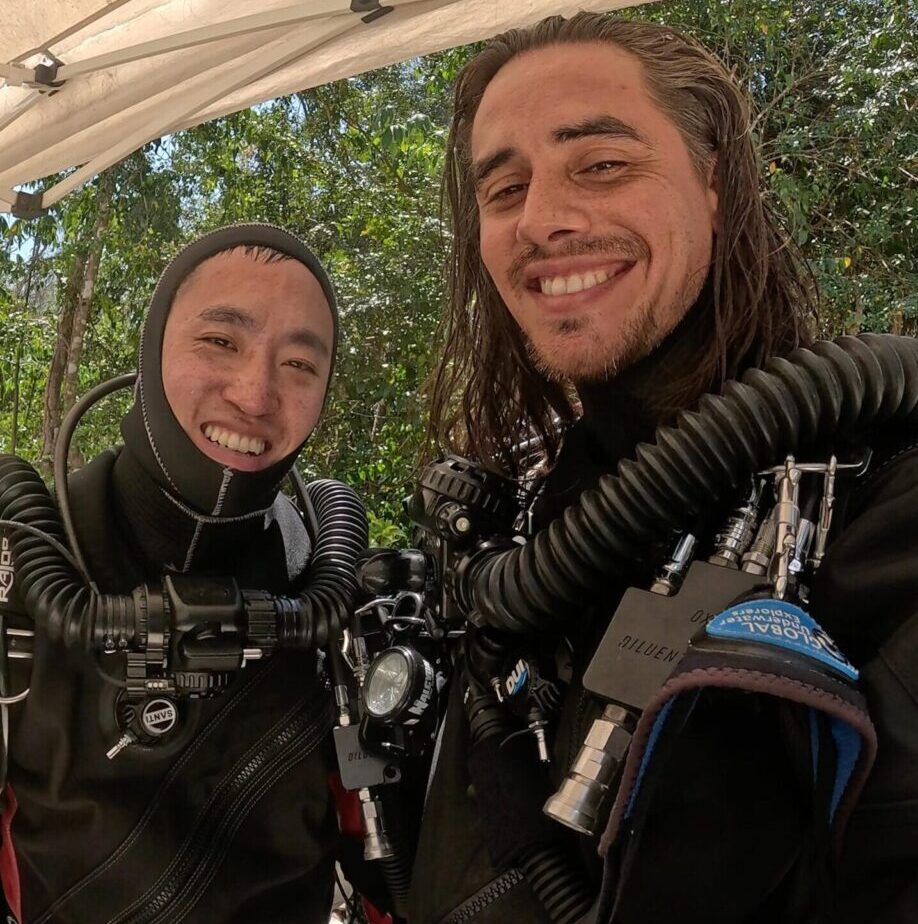
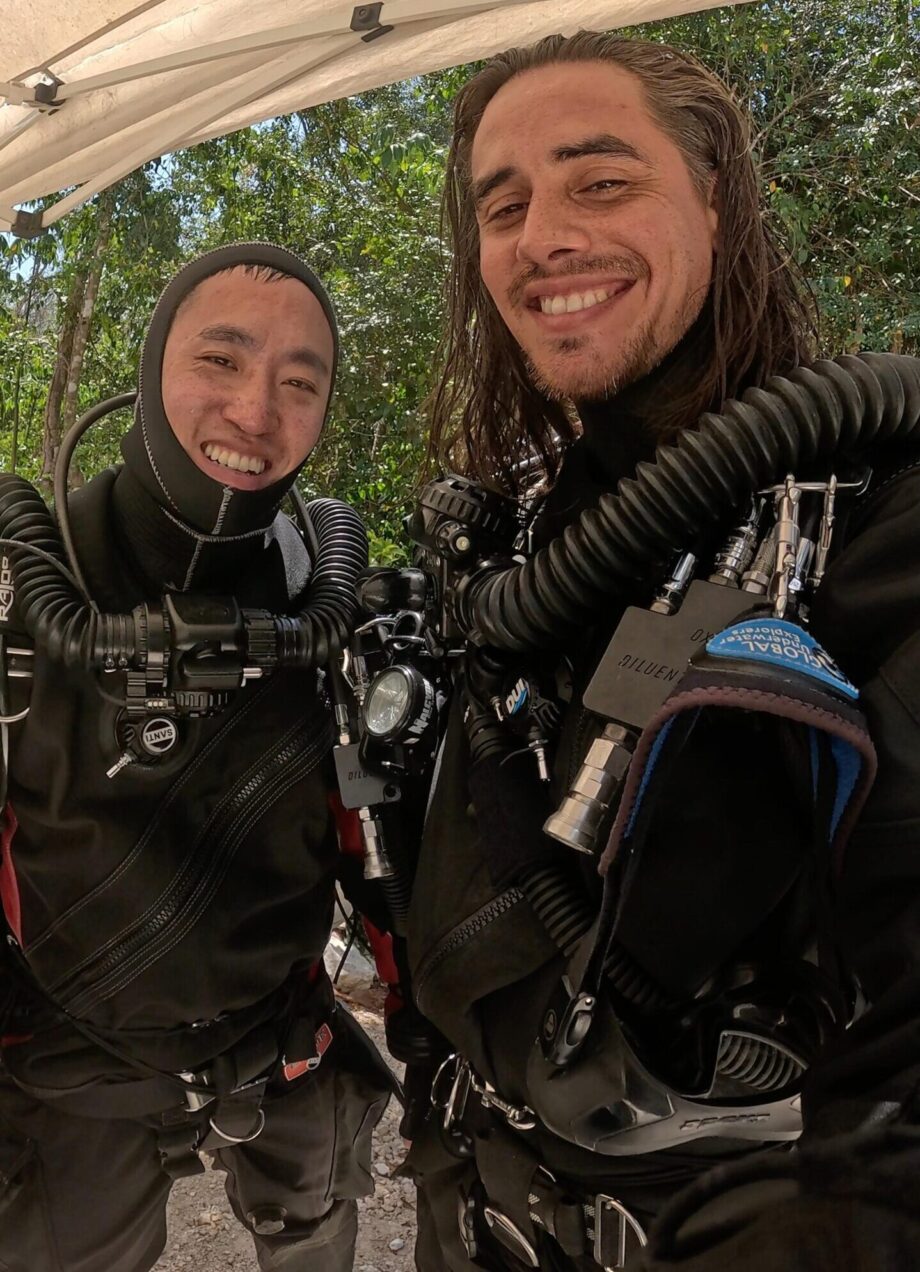
PREREQUISITES
Applicants for a Gemini CCR Crossover course must be:
- Technical Sidemount rating certified
- CCR Adv. EANx Diver or equivalent or higher
- Have logged 20 open water dives with at least 20 hours underwater using a rebreather
FATHOM Dive Systems GEMINI TRIAL
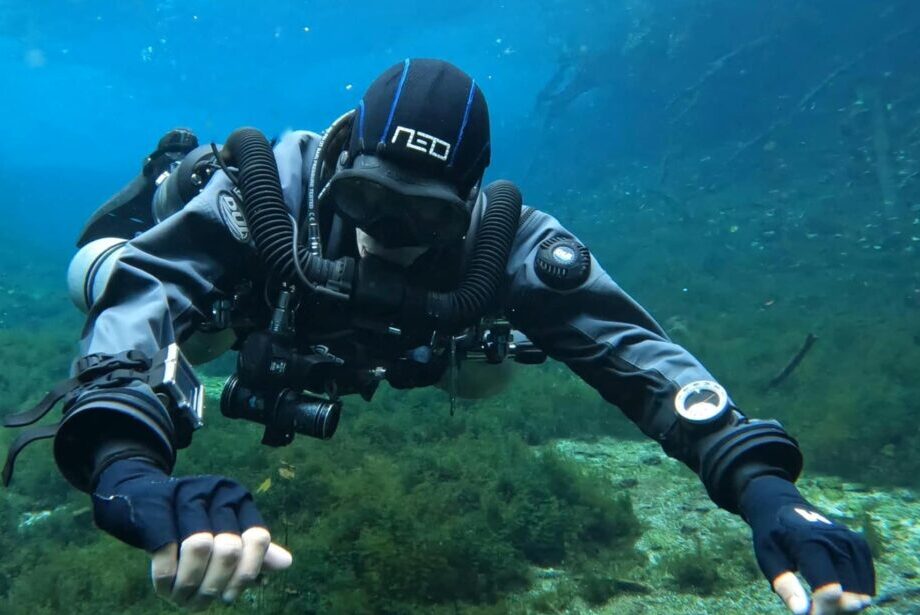
WHY TAKE A GEMINI CCR TRIAL DAY?
Divers considering closed-circuit rebreathers should try a Fathom Gemini CCR trial for its combination of simplicity, reliability, and performance. Its backmounted counterlung ensures smooth breathing in all positions, while durable dual scrubbers and a manual oxygen system enhance safety. Compact and travel-friendly, the Gemini is easy to handle, ideal for side-mount setups, and praised for its intuitive operation—making it a great way to experience advanced CCR diving with confidence.
Our Gemini CCR Trial will be conducted within the following limitations:
- Max Depth 30m / 100ft
- Use of Nitrox 32%
- All dives must be within minimum decompression limits (MDLs), i.e., no required stops.
- No Overhead
WHY TAKE A GEMINI CCR TRIAL DAY?
Divers considering closed-circuit rebreathers should try a Fathom Gemini CCR trial for its combination of simplicity, reliability, and performance. Its backmounted counterlung ensures smooth breathing in all positions, while durable dual scrubbers and a manual oxygen system enhance safety. Compact and travel-friendly, the Gemini is easy to handle, ideal for side-mount setups, and praised for its intuitive operation—making it a great way to experience advanced CCR diving with confidence.
Our Gemini CCR Trial will be conducted within the following limitations:
- Max Depth 30m / 100ft
- Use of Nitrox 32%
- All dives must be within minimum decompression limits (MDLs), i.e., no required stops.
- No Overhead
WHAT WILL I LEARN?
Our Gemini CCR Trial program will cover the following subjects:
Theory:
- Rebreather basics
- Anatomy of rebreathers, common components and how they function
- Benefits of the Gemini CCR Sidemount Configuration
- Closed-circuit rebreather operation, alarms, and warnings
- Rebreather pre-water entry checks
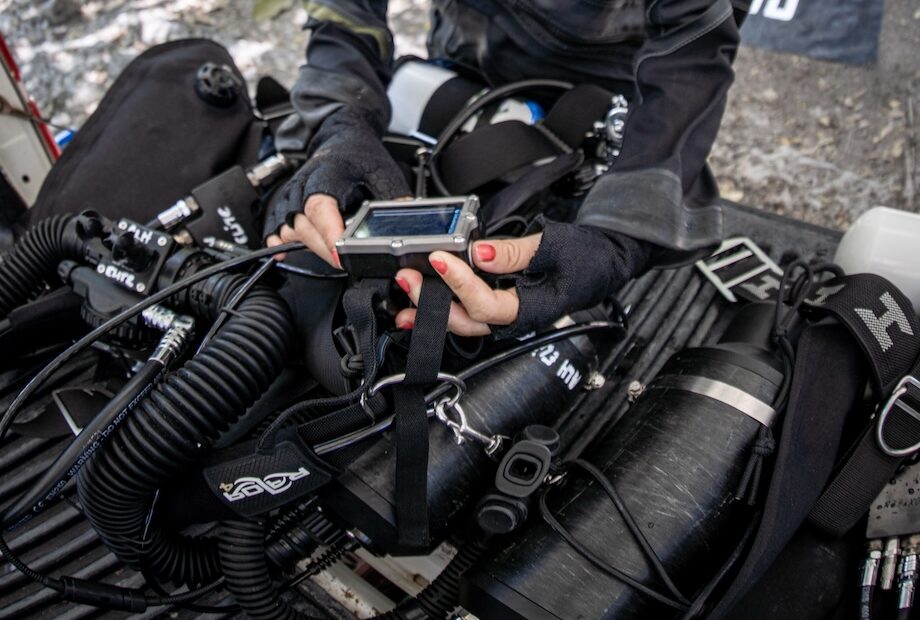
WHAT WILL I LEARN ?
Our Gemini CCR Trial program will cover the following subjects:
Theory:
- Rebreather basics
- Anatomy of rebreathers, common components and how they function
- Benefits of the Gemini CCR Sidemount Configuration
- Closed-circuit rebreather operation, alarms, and warnings
- Rebreather pre-water entry checks
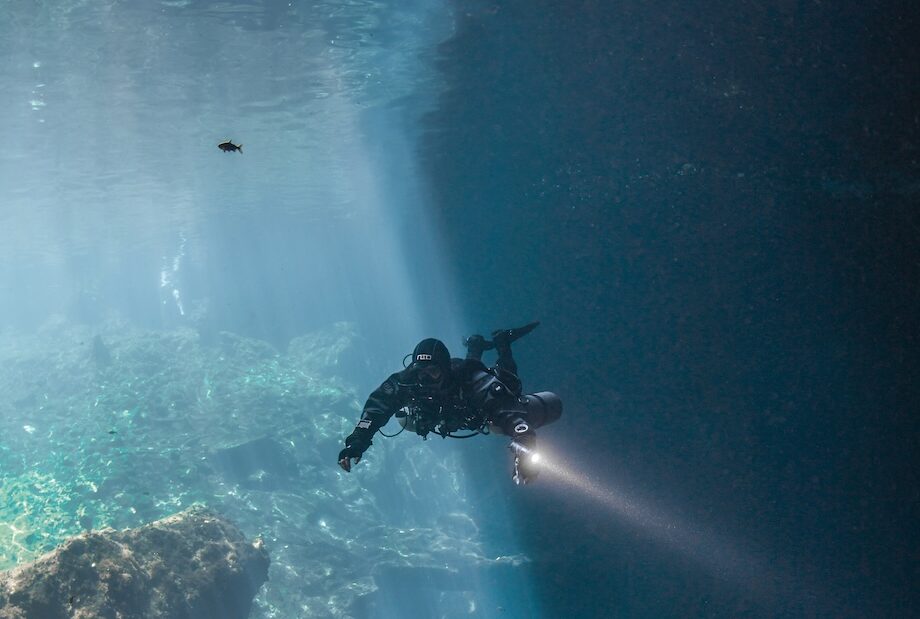
Land Drills:
- Rebreather assembly and setup
- Rebreather pre-dive checklist
- Rebreather on-site checklist
- CHAOS critical control checks and 5-minute pre-breathe
- Basic Operations: switching to and off the loop (DSV/BOV open/close); achieving a proper seal around the mouthpiece; preventing nose exhalation; testing for, achieving, and maintaining optimal loop volume; pO2 awareness using HUD and controller;
- Rebreather communication signals
- Manually controlled setpoint and switches
- Bail out procedure
Skills Development:
- Controlled descent, ascent and deco stops.
- Maintain desired pO2 manually
- Bail out procedure
Land Drills:
- Rebreather assembly and setup
- Rebreather pre-dive checklist
- Rebreather on-site checklist
- CHAOS critical control checks and 5-minute pre-breathe
- Basic Operations: switching to and off the loop (DSV/BOV open/close); achieving a proper seal around the mouthpiece; preventing nose exhalation; testing for, achieving, and maintaining optimal loop volume; pO2 awareness using HUD and controller;
- Rebreather communication signals
- Manually controlled setpoint and switches
- Bail out procedure
Skills Development:
- Controlled descent, ascent and deco stops.
- Maintain desired pO2 manually
- Bail out procedure
PREREQUISITES
Applicants for a Gemini CCR Trial must be:
• Technical Sidemount certified
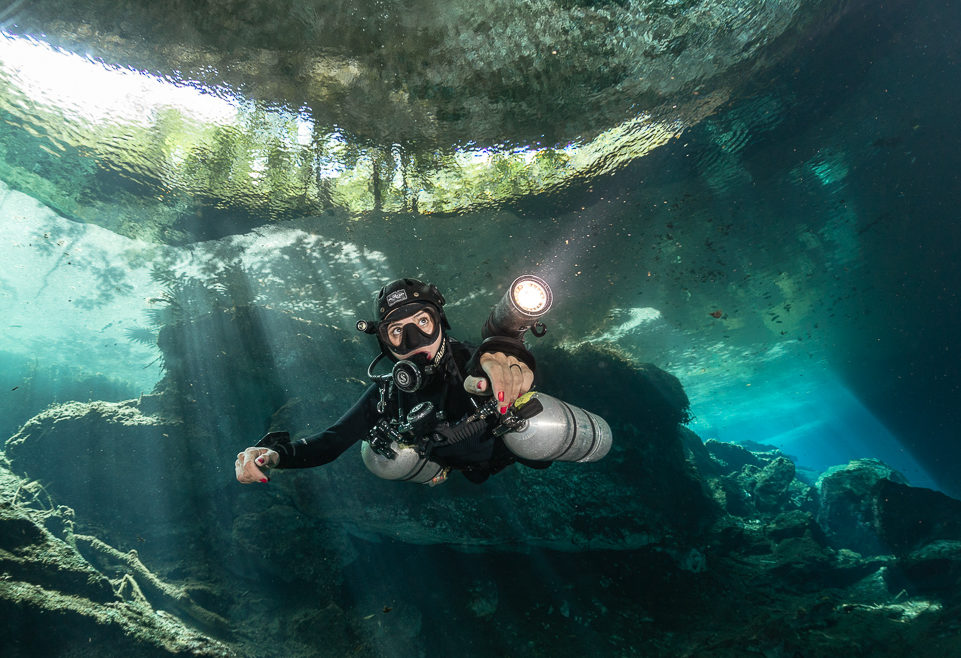
PREREQUISITES
Applicants for a Gemini CCR Trial must be:
• Technical Sidemount certified